Sensory Profile Guide
If you've ever wondered why your child reacts so differently to everyday experiences, this guide will help you recognise common sensory differences, understand what they may be communicating, and identify practical ways to better support your child at home.
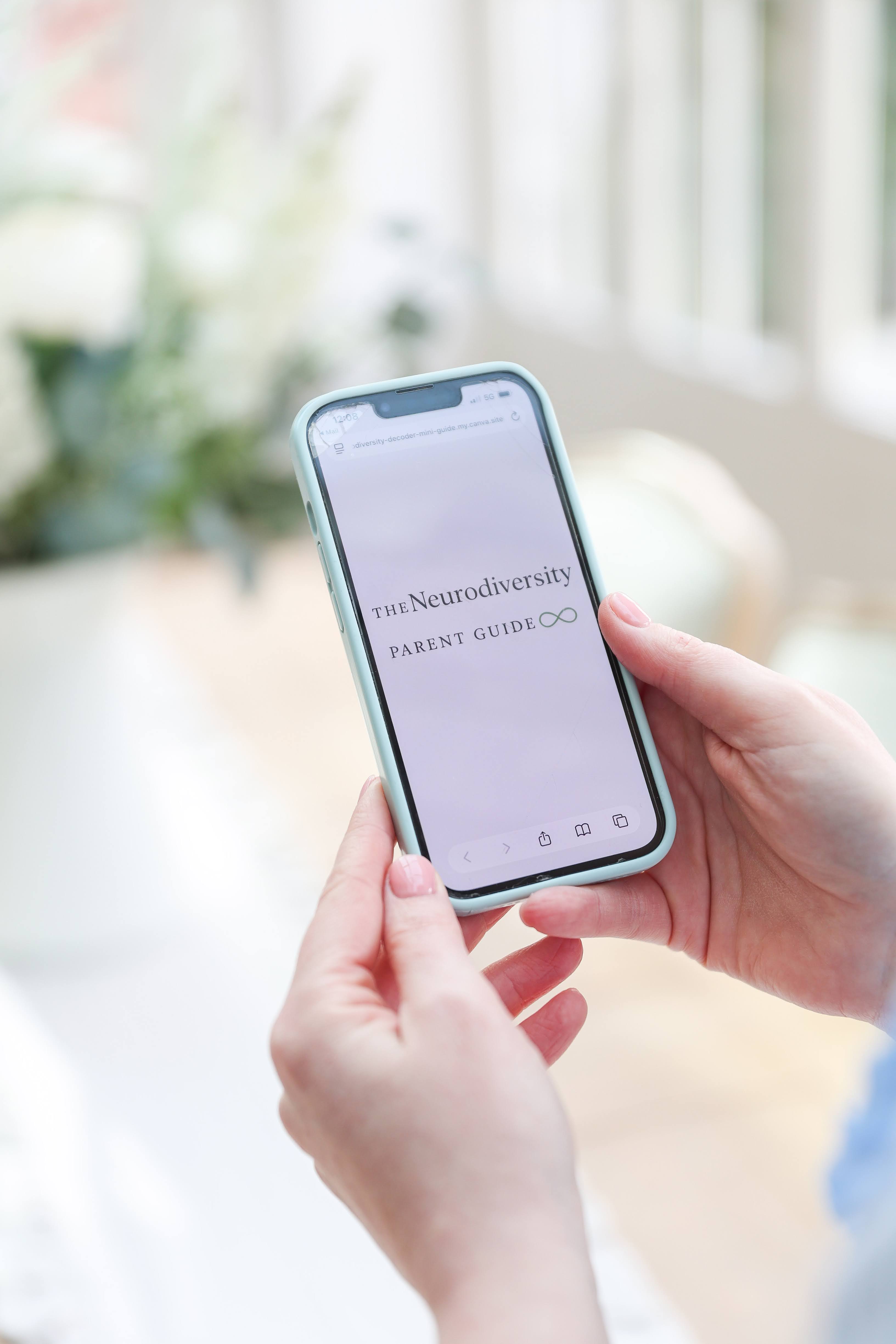
Something about your child's world doesn't quite add up yet.
Maybe it's the way certain sounds make them cover their ears. The way busy places drain them completely. The way they need everything to be exactly the same — or everything falls apart.
Perhaps it's the after-school meltdown that nobody else seems to witness. The child who holds everything together during the day — perfectly regulated, perfectly presentable — and then falls apart in the kitchen, the hallway, the car on the way home. The hidden overwhelm that only you ever see.
You've been noticing these patterns for a while. You might not have words for them yet. But you know they mean something.
This guide is where the understanding begins.
Inside the Sensory Profile Guide

The eight sensory systems explained in simple, clear language
Common patterns parents notice in their children but rarely know how to interpret
A practical observation sheet so you can start identifying what triggers your child's biggest reactions
Gentle next steps to help you move from noticing to understanding — at your own pace
You don't need answers to start here.
This guide isn't about diagnosis. It isn't about labels. It's about giving you a lens through which your child's behaviour begins to make sense — the meltdowns, the rigidity, the after-school fallout, the sensory moments that feel impossible to explain to anyone who wasn't there.
Most parents who download this guide tell me the same thing: they finally feel like they are not imagining it. That there is a reason. That their child isn't being difficult — they are struggling with something hidden, something real, something that has a name.
You do not need a diagnosis to begin understanding the patterns you are noticing.
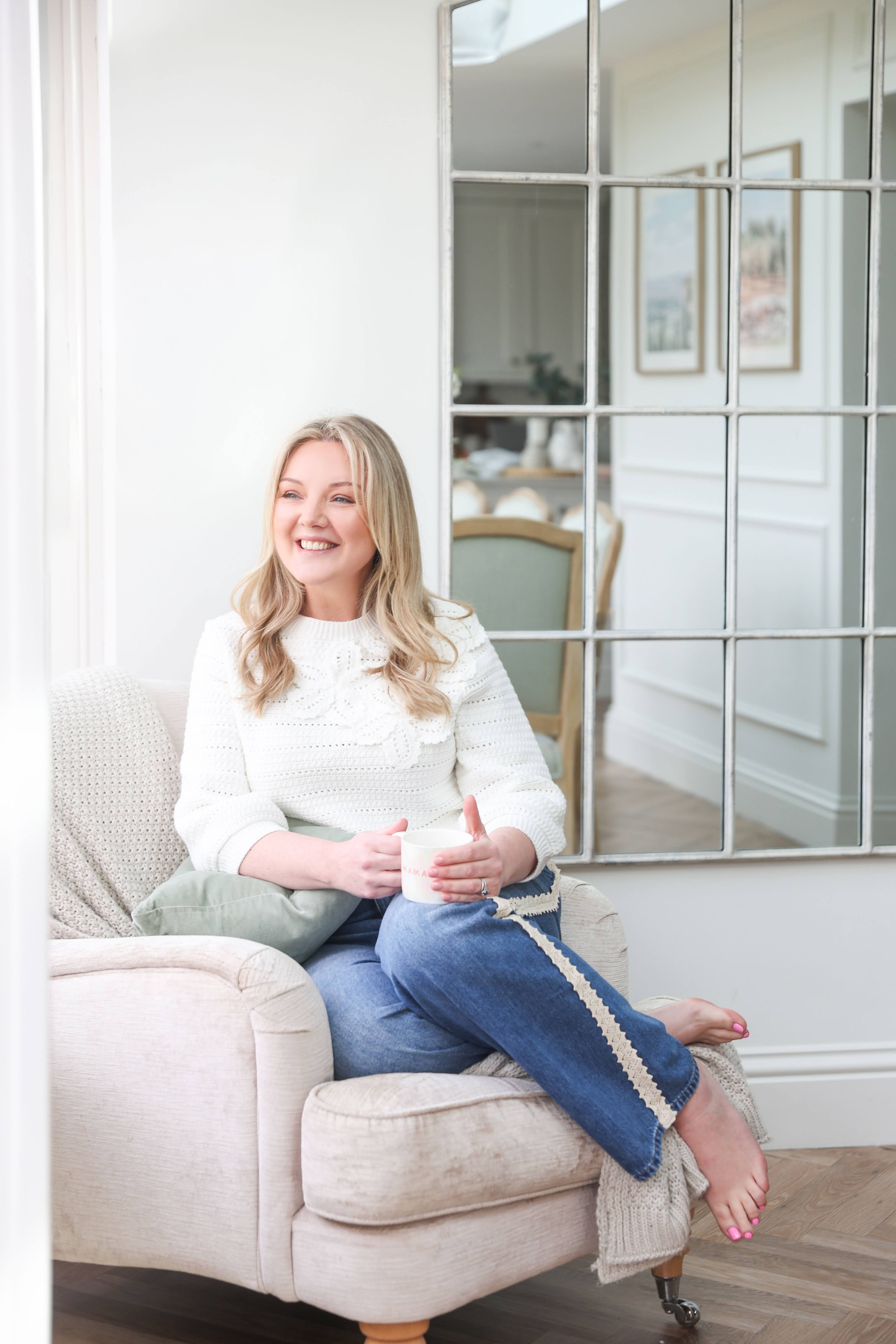
Written by Karla Auker, neurodiversity specialist and former primary teacher with fifteen years of experience supporting children across mainstream and specialist settings.
How I Support Parents